I find the real problem. Then I remove it.
Twenty years as a designer, engineer, and leader — used wherever the problem actually is.
Selected work
Showing 11 of 11
Koto
Share live Salesforce data with anyone — no license required.
2026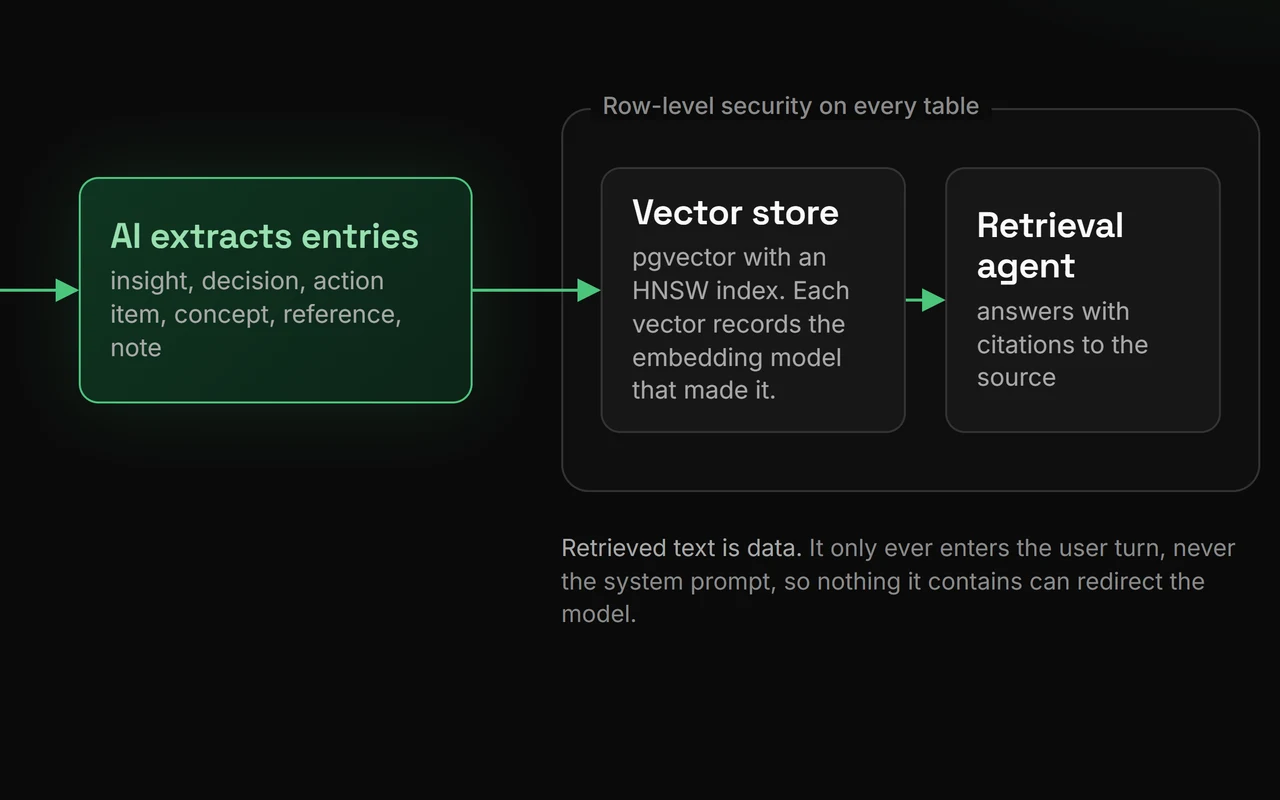
Kibi
An agentic knowledge base that answers questions with citations.
2026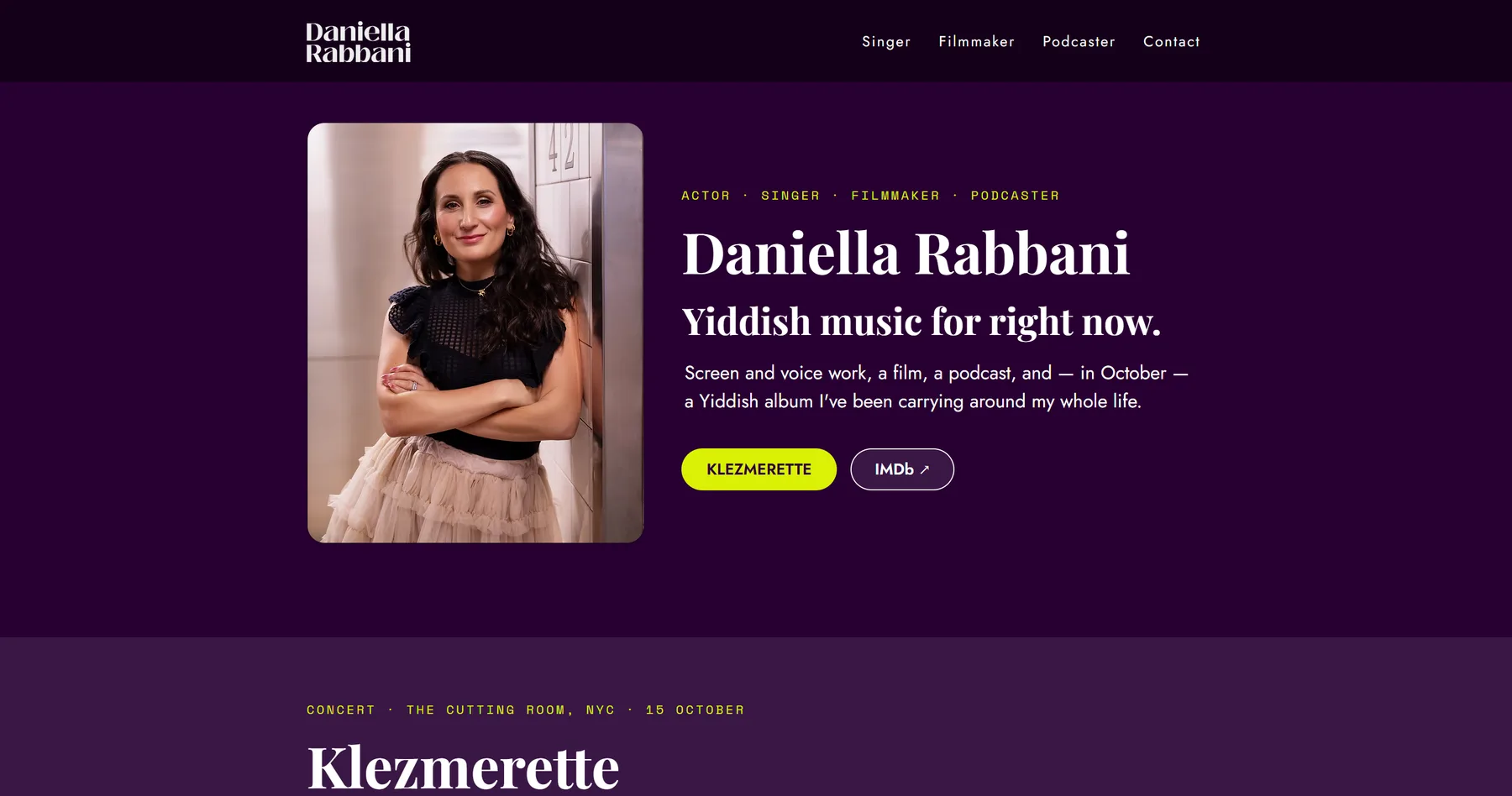
Daniella Rabbani
Site for a performer, singer, and podcast host.
2026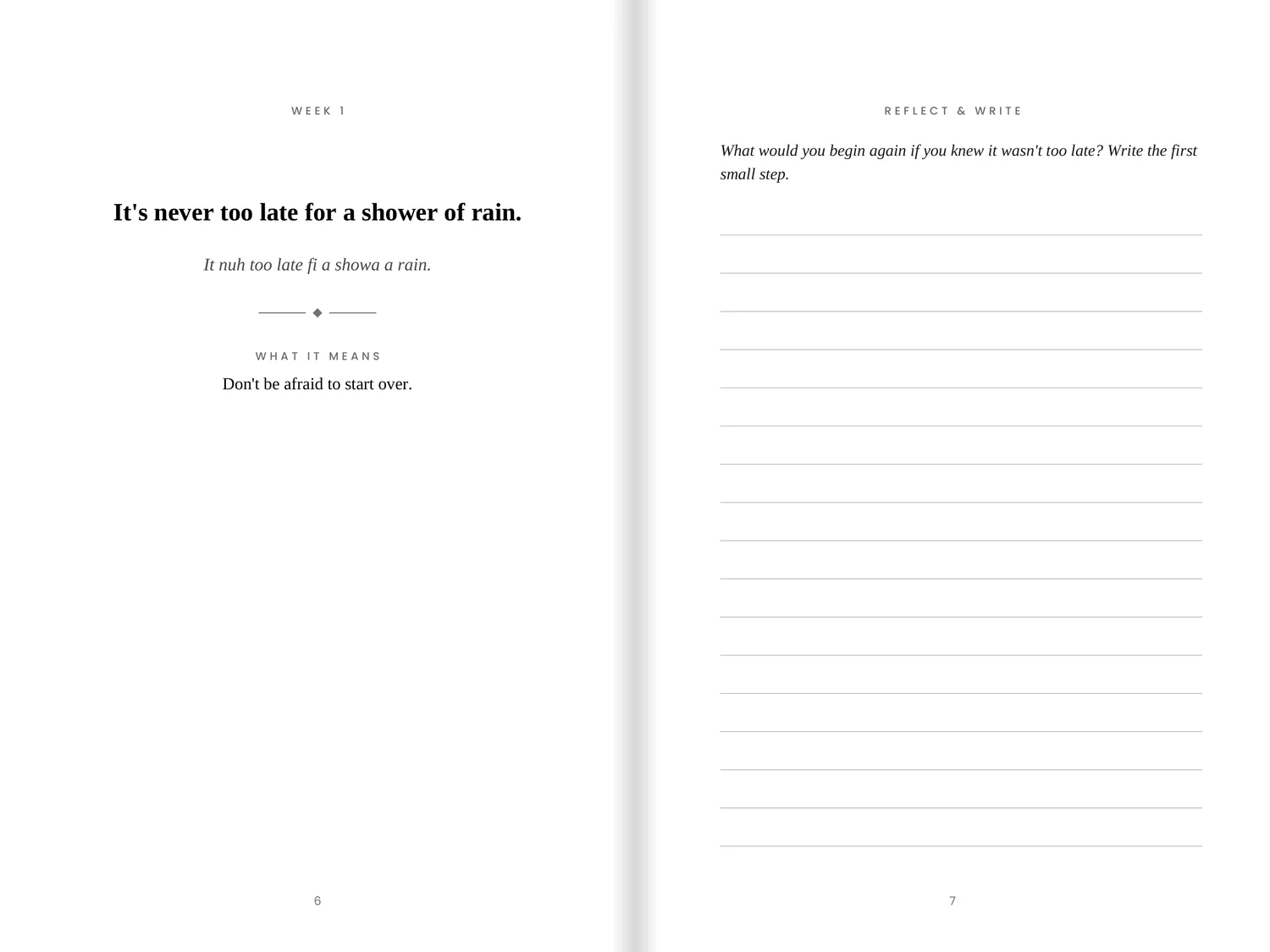
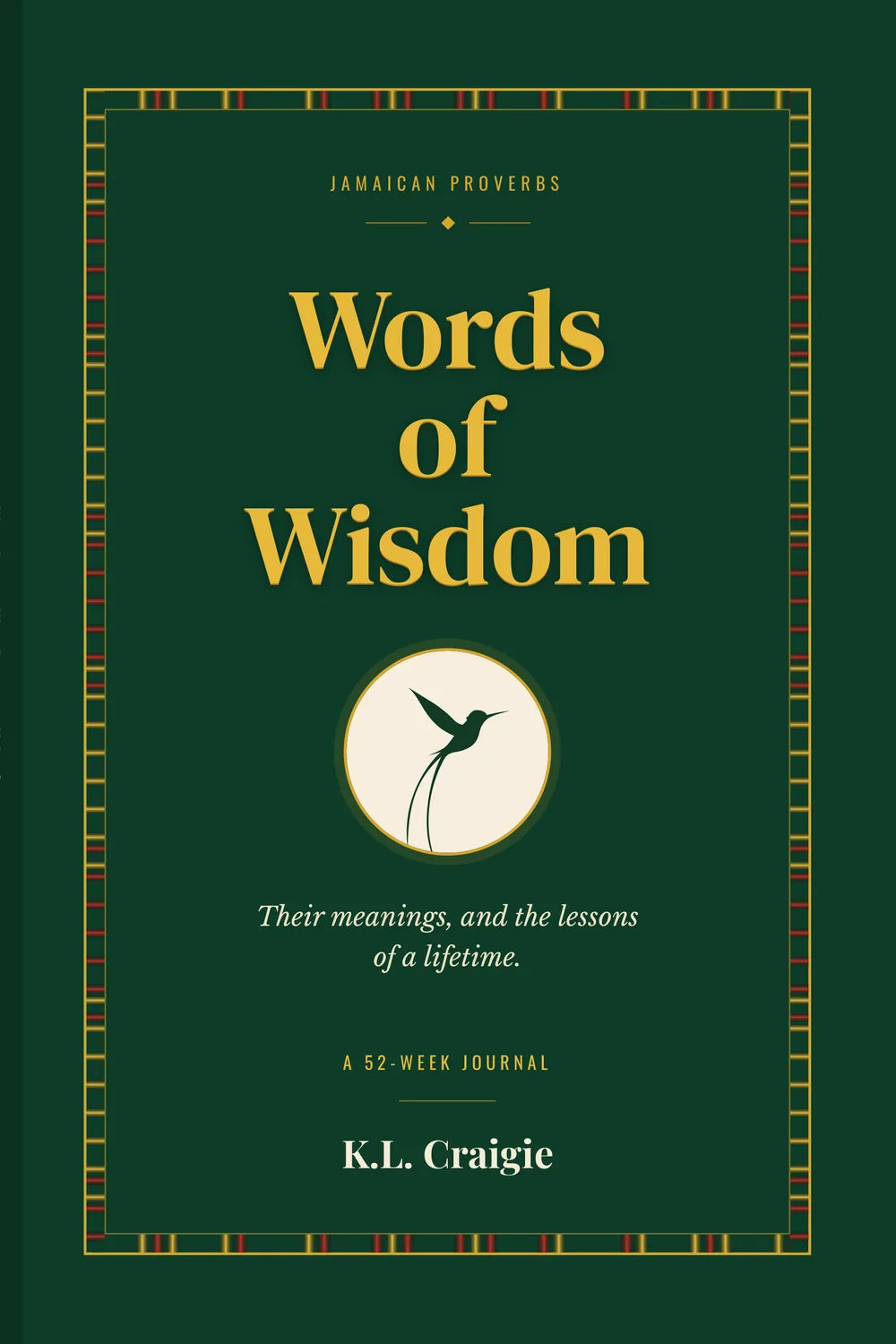
Words of Wisdom
A 52-week journal of Jamaican sayings and what they mean, by K.L. Craigie, my mother.
2026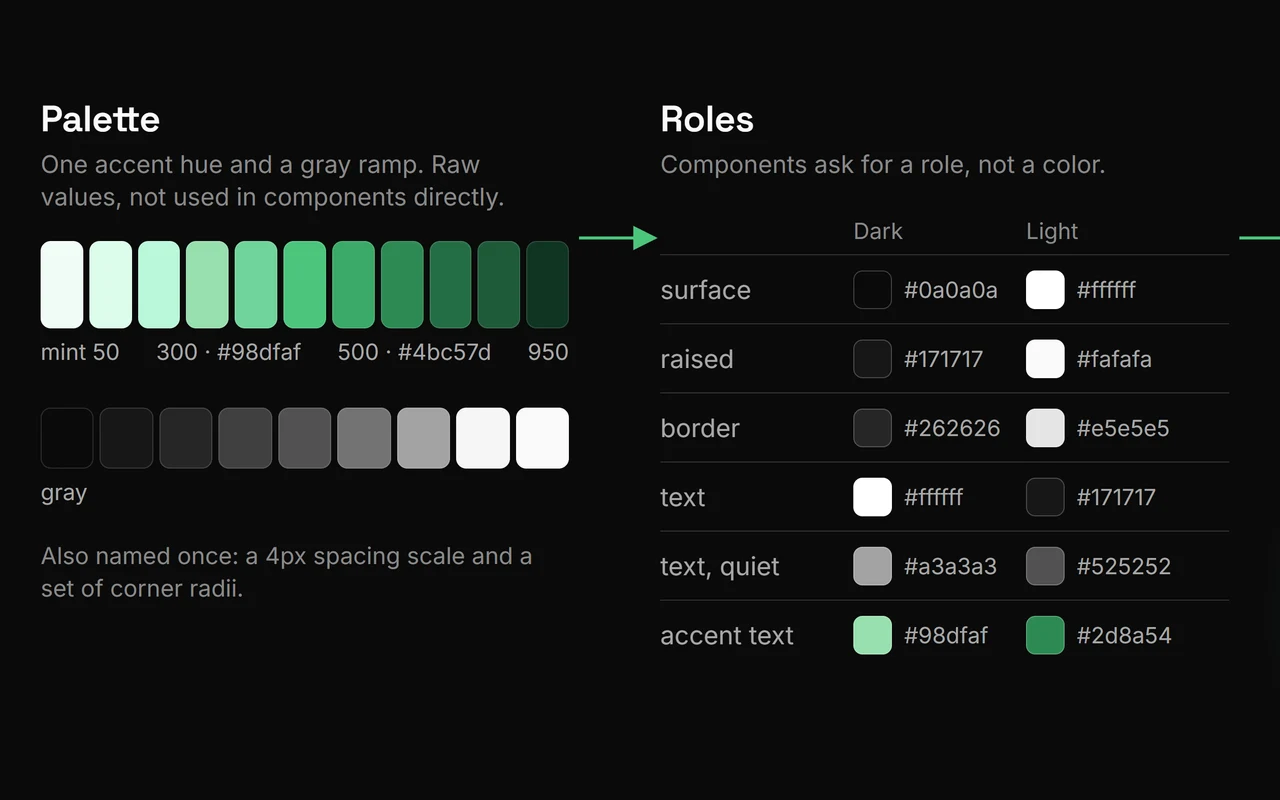
Intuition UI
The design system behind Koto and Kibi — still being built out.
2026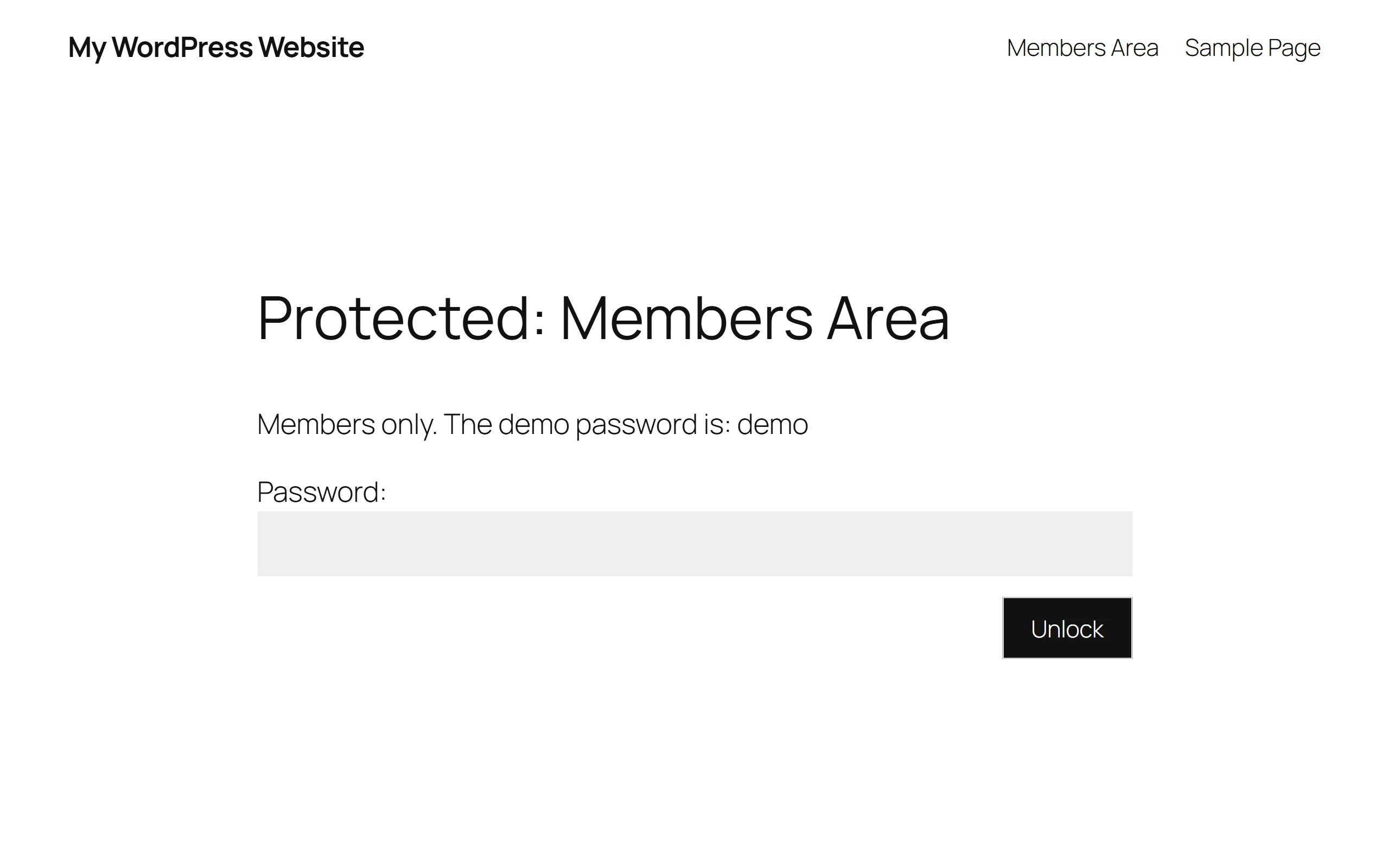
Customize Private & Protected
A free WordPress.org plugin that changes how password-protected and private posts look.
2021–present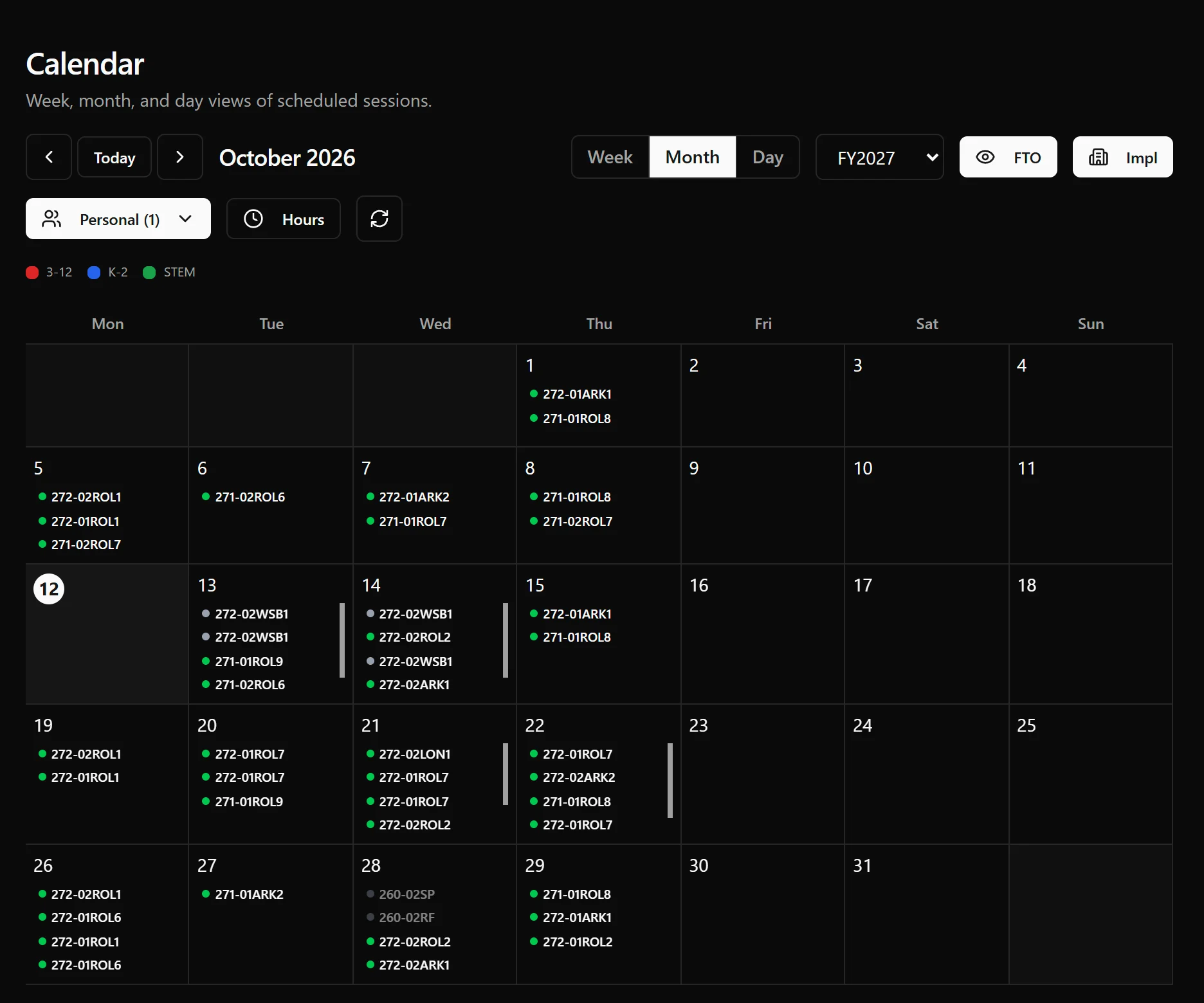
Host Scheduler
Replaced a week of manual spreadsheet work with same-day scheduling.
2026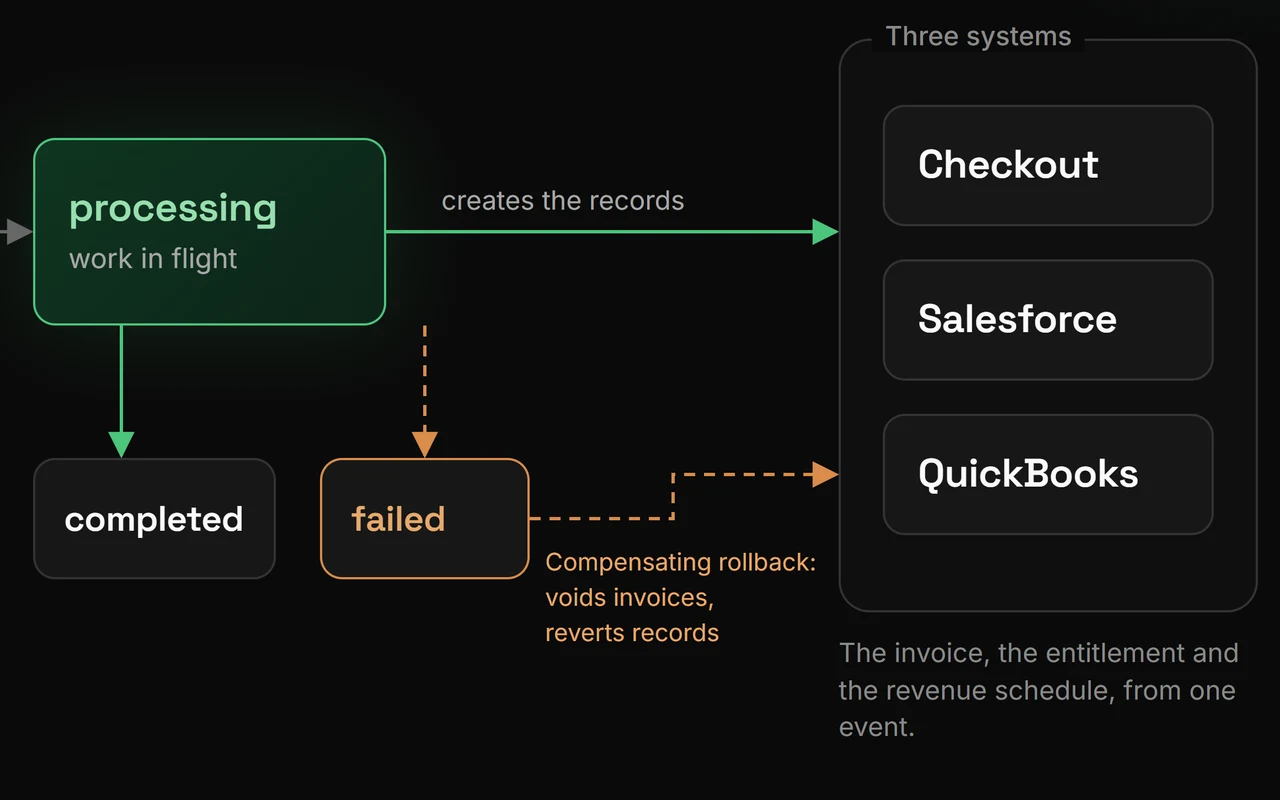
Checkout → QuickBooks Online
The order-to-cash backbone connecting checkout, Salesforce, and QuickBooks.
2025–present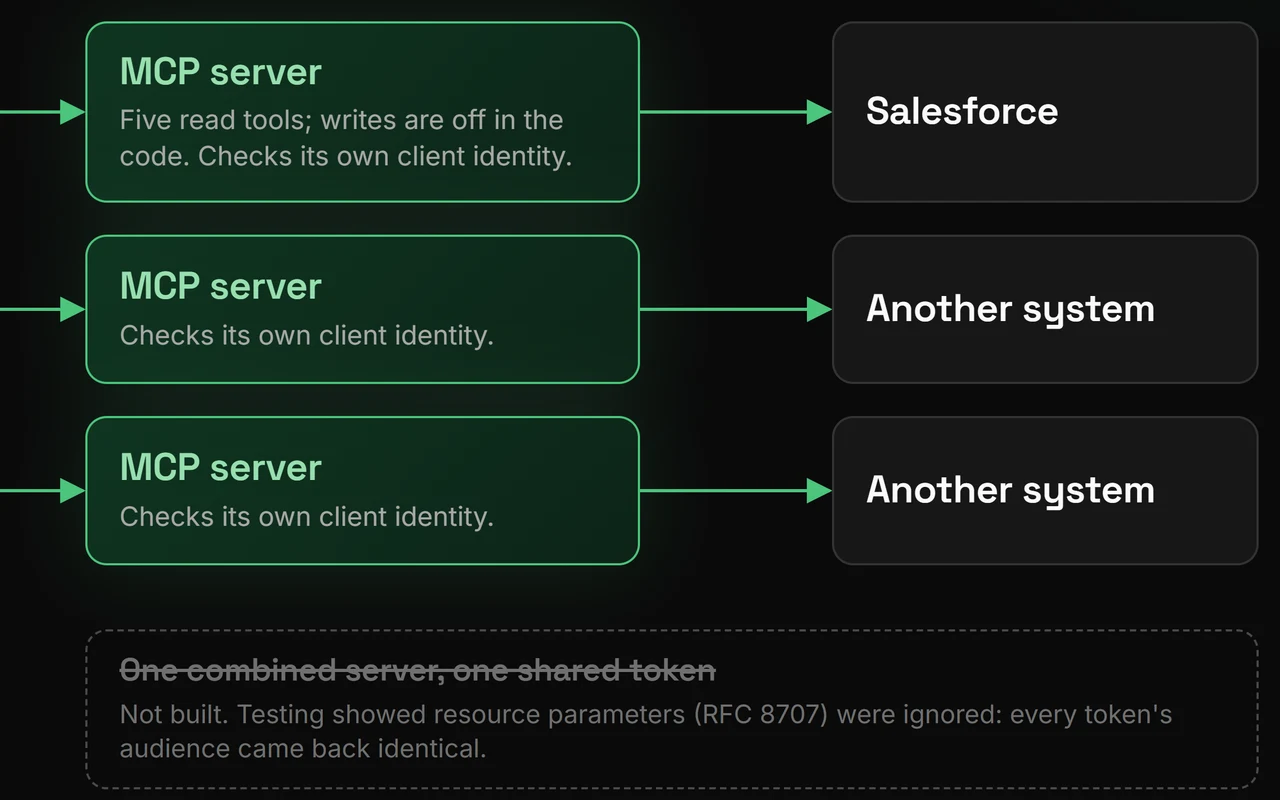
AI Systems & MCP
Brought AI into the org's daily work, with read-only defaults and human sign-off.
2026
TWR Web Platform
A nonprofit's WordPress platform: built with an agency, then run and extended in-house.
2022–2026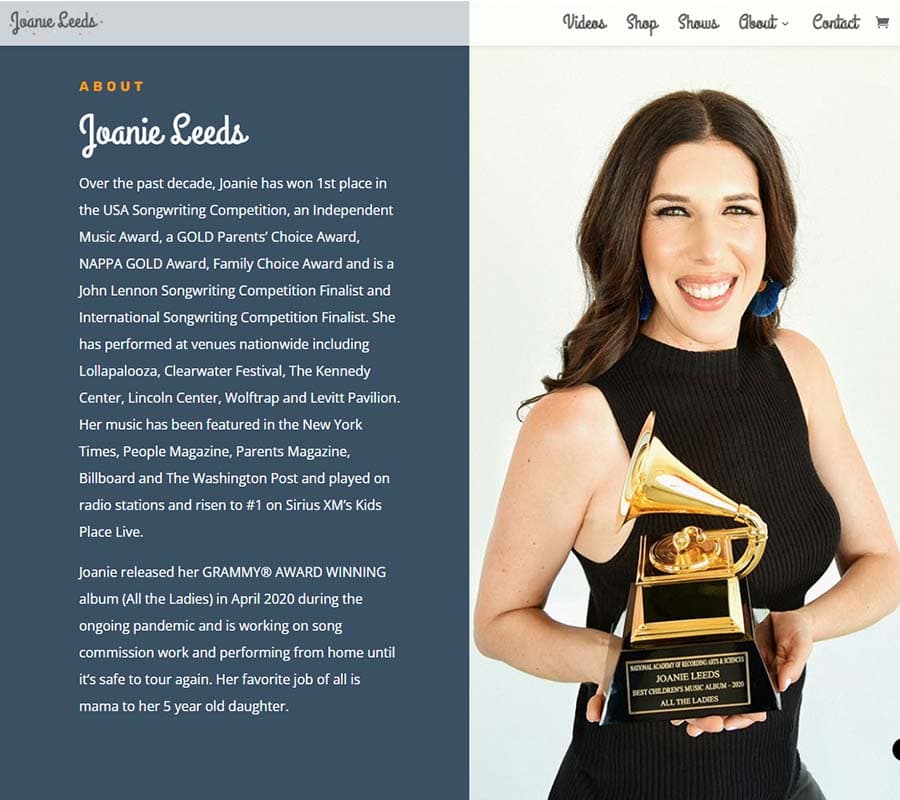
JoanieLeeds.com
Musician site, WordPress.
2020How I work
Fix the root, not the ticket
A bug report names a symptom, not a cause. I look for every other place the same mistake could hide before I patch the one someone noticed.
Read the source, not the explanation
When something's broken and someone already has a theory, I check it against the actual code and data before I accept it.
Ship the guardrail with the automation
AI drafts, checks, and proposes — a person approves. Every automated system I build keeps a human in the loop on anything with real consequences.
Range over specialization
Doing one thing for too long is its own kind of failure mode, for me. That's why I end up owning the connective tissue between design, engineering, and the team that runs both.
About
Where it started
2007. Freelance web and design work for whoever would hire him — brand systems, WordPress sites, whatever a small business needed. Some of that teaching turned into an actual beginner HTML course he still keeps running.
Learning by doing
Eight years at 92nd Street Y, watching the job get bigger than “designer” — a CMS migration, a Salesforce Marketing Cloud rollout, and in 2020, rebuilding how an entire organization delivered its programming online in a matter of weeks.
Where he is now
Senior Director of Technology at The Writing Revolution, owning the integration layer across Salesforce, QuickBooks, and half a dozen systems that disagree about the same data. His boss and colleagues have called him a natural teacher, more than once. Outside of that: Koto, Kibi, and a book designed and edited for his mother.
Off duty: dine-in movies at the Alamo Drafthouse (Resident Evil most recently), first- and third-person shooters — Destiny 2, Marvel Rivals, Arc Raiders.
Elsewhere: his freeCodeCamp profile from the teaching years, and volunteer work through Catchafire.
Colleague feedback
“He encourages people to learn new things. I appreciate the chances to pick up skills that can make some of our work more efficient.”
— Anonymous“He works across teams and leads the charge on helping us be more productive, while protecting us from burnout (thank you!).”
— Anonymous